The past six months have been a period of genuine momentum for Imagined Futures. Across the south west metropolitan region, partners have been strengthening relationships, joining the dots, and working together to respond to local gaps. Whether it’s helping young people find the right support, building on community insights, or improving how we coordinate around family and domestic violence, our shared efforts are continuing to make a meaningful difference.
Our new Outcomes Measurement Framework and 5‑Year Strategy are helping partners and funders see our work more clearly, while practical workshops delivered through our Community of Practice are giving frontline workers the tools and confidence they need. Young people are better connected through Where Is the Door?, cultural connection for Aboriginal children in care continues to grow, and in Davis Park residents are shaping the future of their neighbourhood, supported by trusted relationships.
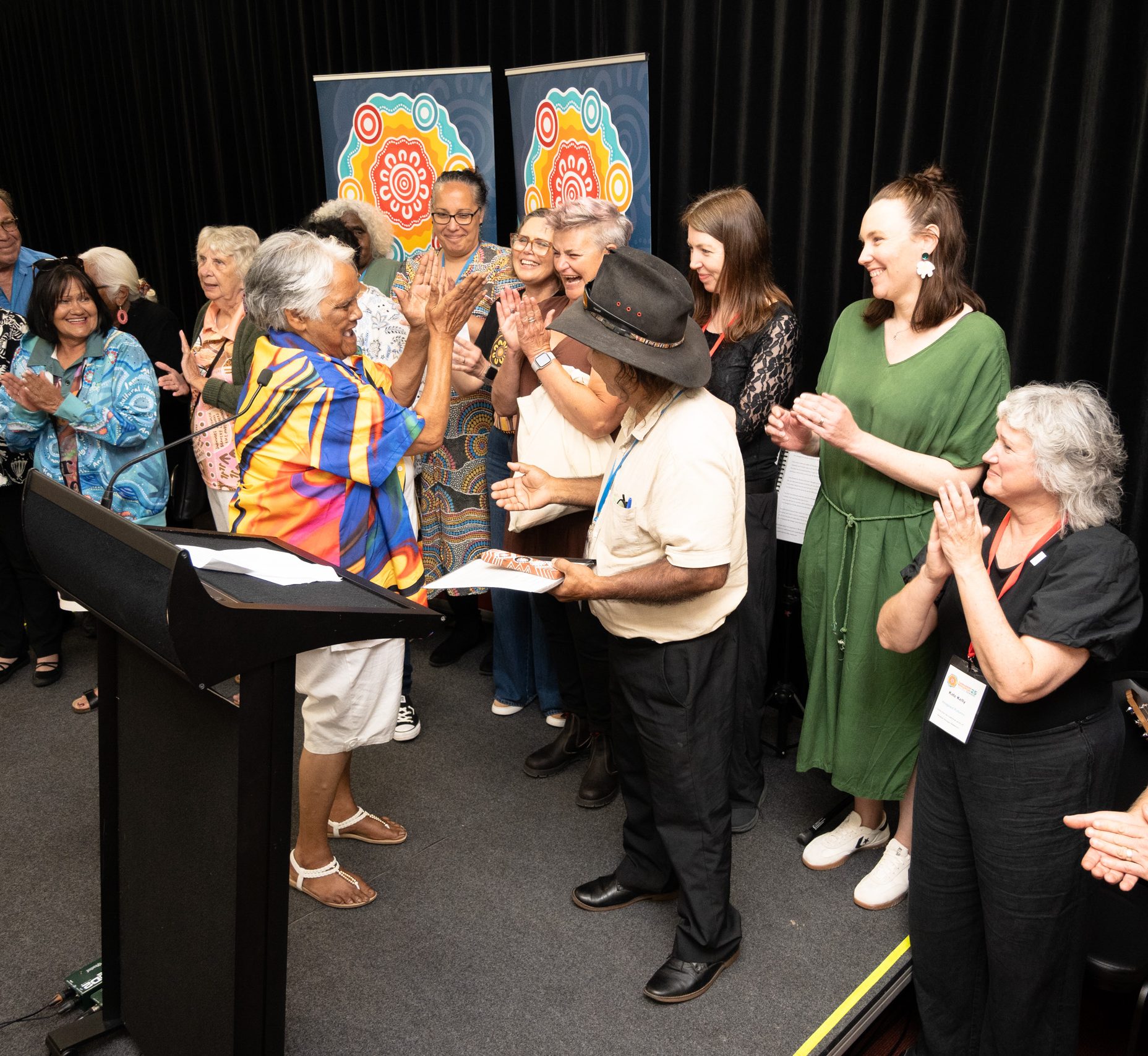
This momentum was also visible nationally when we co‑hosted ChangeFest in Walyalup with Collaboration for Impact, where Western Australia’s place‑based work took centre stage; strengthening relationships with agencies and philanthropy and highlighting the value of the approach Imagined Futures has championed for many years.
Please read on for a deeper look at how this shared work is delivering for people across our region.
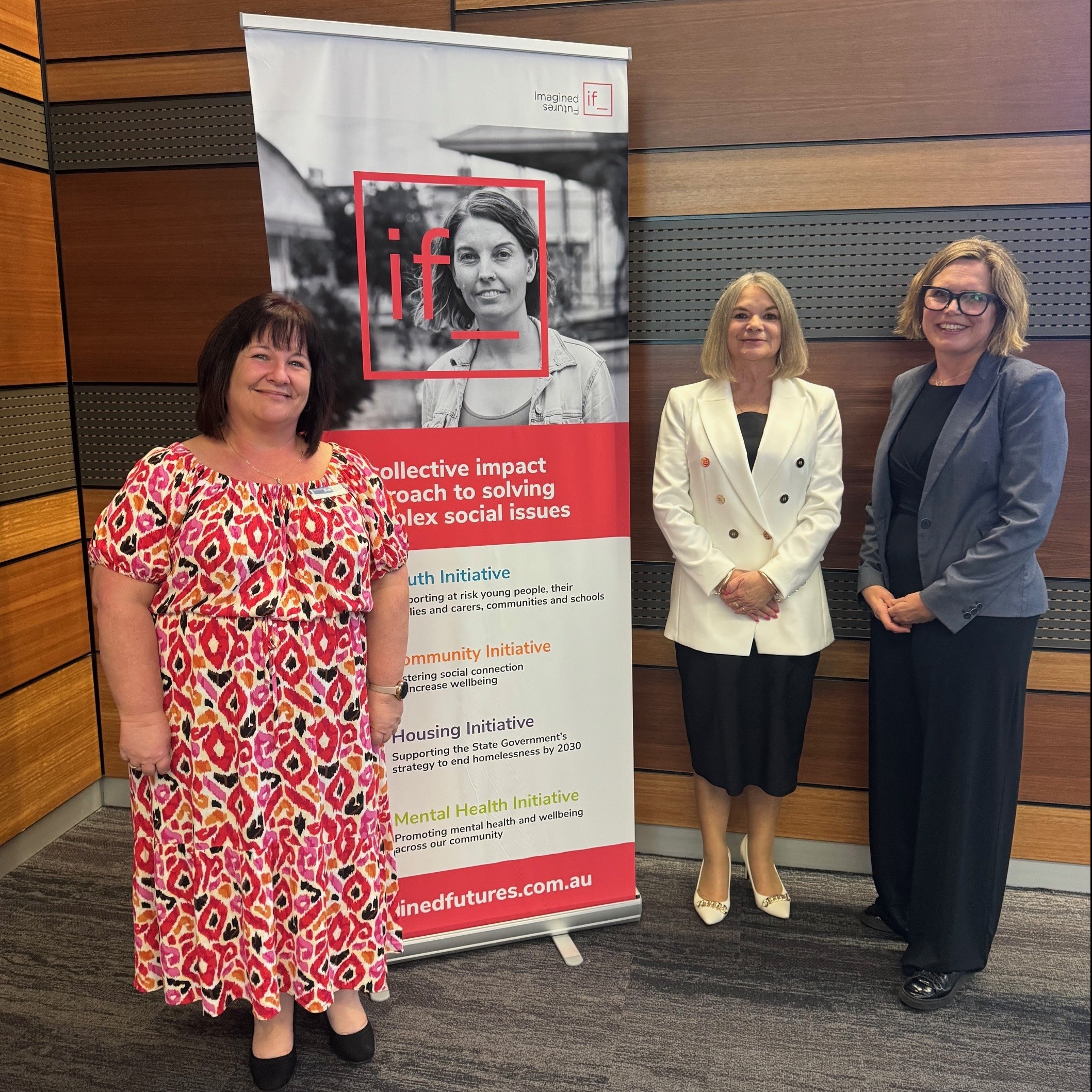
Leadership Group – chair Michael Piu, St Patrick’s Community Support Centre
Housing and Homelessness – chair Michael Piu, St Patrick’s Community Support Centre
Open Door Community of Practice – chair Sue Nickisson, Communicare
Children and Young People – chair Annette Boyle, Community Representative
Mental Health – chair Amy Firns, Neami National
Davis Park – chair Julie Mitchell SMYL
Family and Domestic Violence – chair Tara Seaward, uniting WA
Celebrating WA’s place-based work
Teaming up with Collaboration for Impact to co‑host ChangeFest in Walyalup brought Western Australia’s place‑based efforts into sharp national focus.
The gathering strengthened our relationships with national agencies, peak bodies, and philanthropic partners – opening pathways for future collaboration and elevating WA’s leadership on the national stage.
Aunty Faith Green, Chair of the National Elders and Leaders Group, grounded the event with a profound reflection
“Songlines bridging time and place. Each handover is a longer weave in the turning of the wheel… threads of stories, place and responsibility, stretching from one place to the next.”
This spirit wove through the gathering – guided by Whadjuk Elders and enriched by leaders from across the country, including Narelda Jacobs, Dr Jim Morrison, Dr Brad Pettitt MLC, Minister Tanya Plibersek, and Ron Bradfield Jnr, whose powerful storytelling invited us to show up as the best versions of ourselves.
Across breakout sessions, communities shared what’s working on the ground and created space for honest reflection – encouraging participants to consider how local insights can strengthen their own place‑based efforts.
For Imagined Futures, ChangeFest reaffirmed the approach we have stewarded for many years: listening deeply, acting together, and staying anchored in place.
Connecting Children and Young People to Support
Across the region, partners are strengthening pathways and connection for children and young people – ensuring they can access support, deepen cultural identity, and feel part of a community that cares.
Clarifying pathways for young people
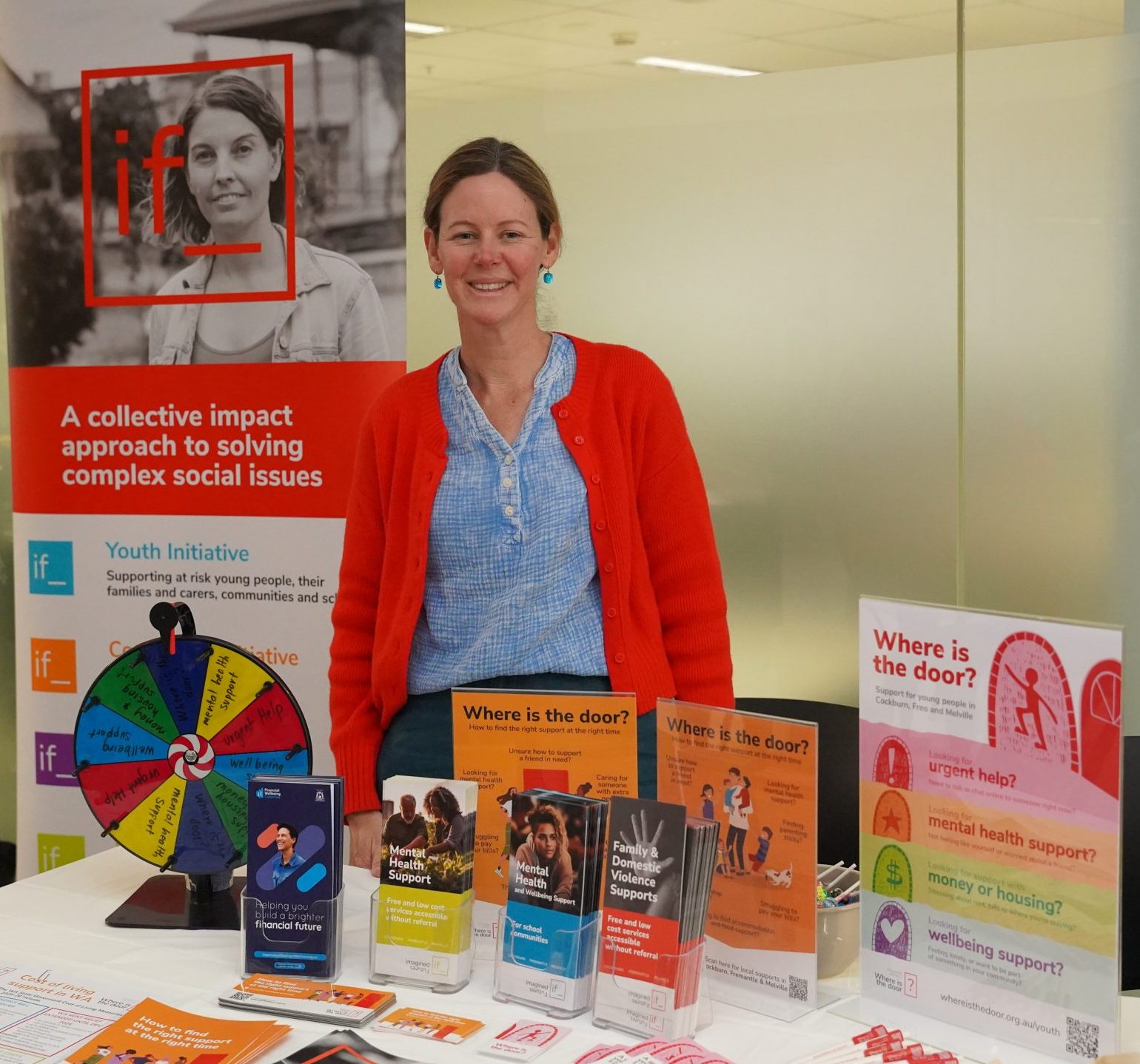
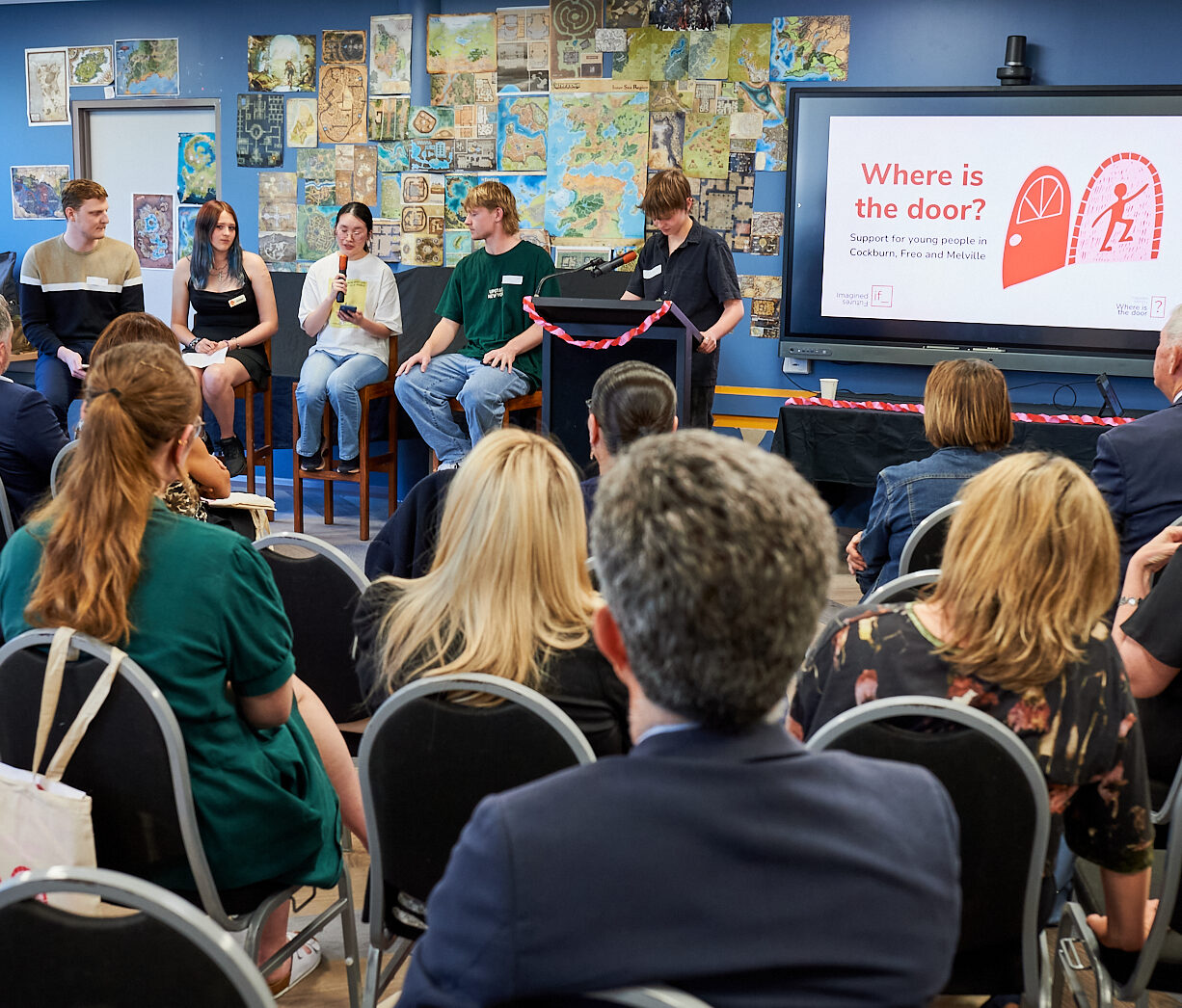
Our new Where is the Door? website, co-designed with young people, is now live and quickly becoming a go‑to resource across Cockburn, Fremantle, and Melville. It’s helping 12–25 year olds overcome the “I don’t know what’s out there” barrier by making local support easy to find, clear, and youth‑friendly.
Schools, youth agencies, and community partners are actively sharing the resource, ensuring more young people know where to turn when they need support with mental health, housing, food security, crisis help, and wellbeing.
Strengthening Cultural Connection
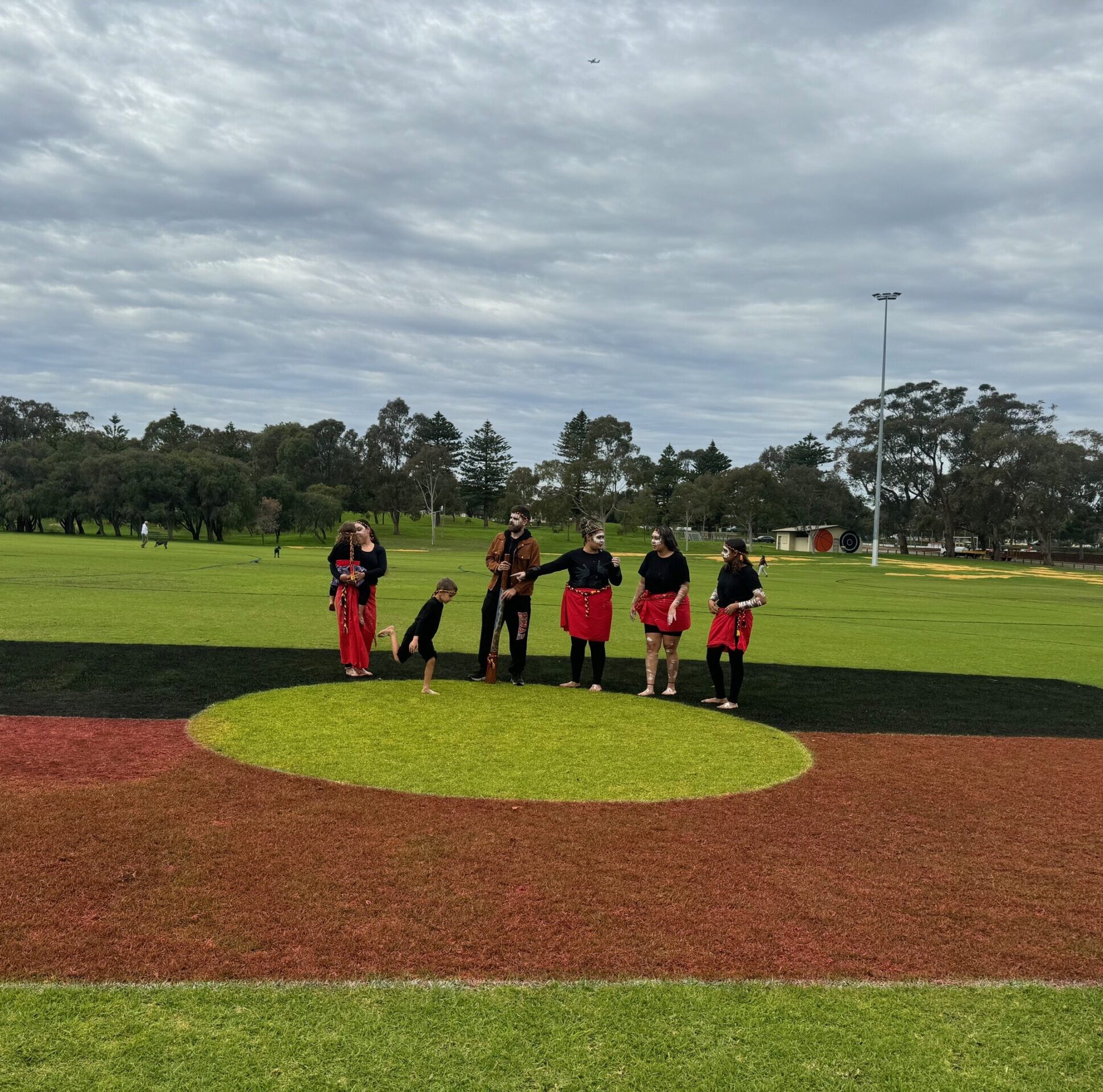
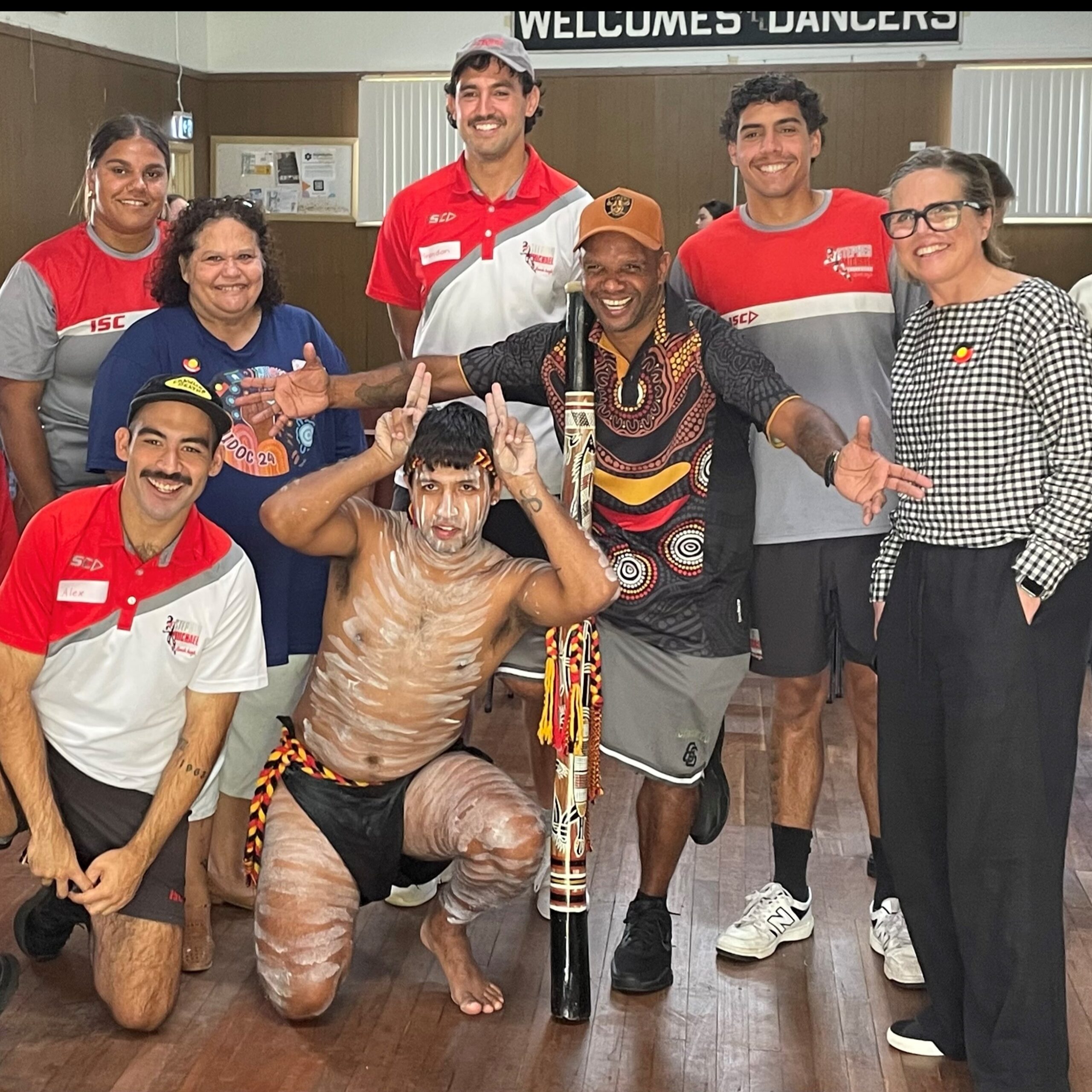
Since the last e – news two major cultural connection events for Aboriginal children in care created powerful opportunities for young people to deepen their sense of identity, belonging, and family, all core protective factors for long term wellbeing.
Feedback from families, carers, and service partners shows strong engagement and a continued demand for culturally grounded activities that support connection to country, culture, and community. These events are brought about through a true partnership, with contributions coming from many sources. Special mention to Fremantle Ports who have contributed funding for these events for the first time last year.
Together, these efforts are ensuring children and young people in our region feel more supported, more connected, and more confident in accessing the help they need.
Leading a Coordinated Approach to Family and Domestic Violence
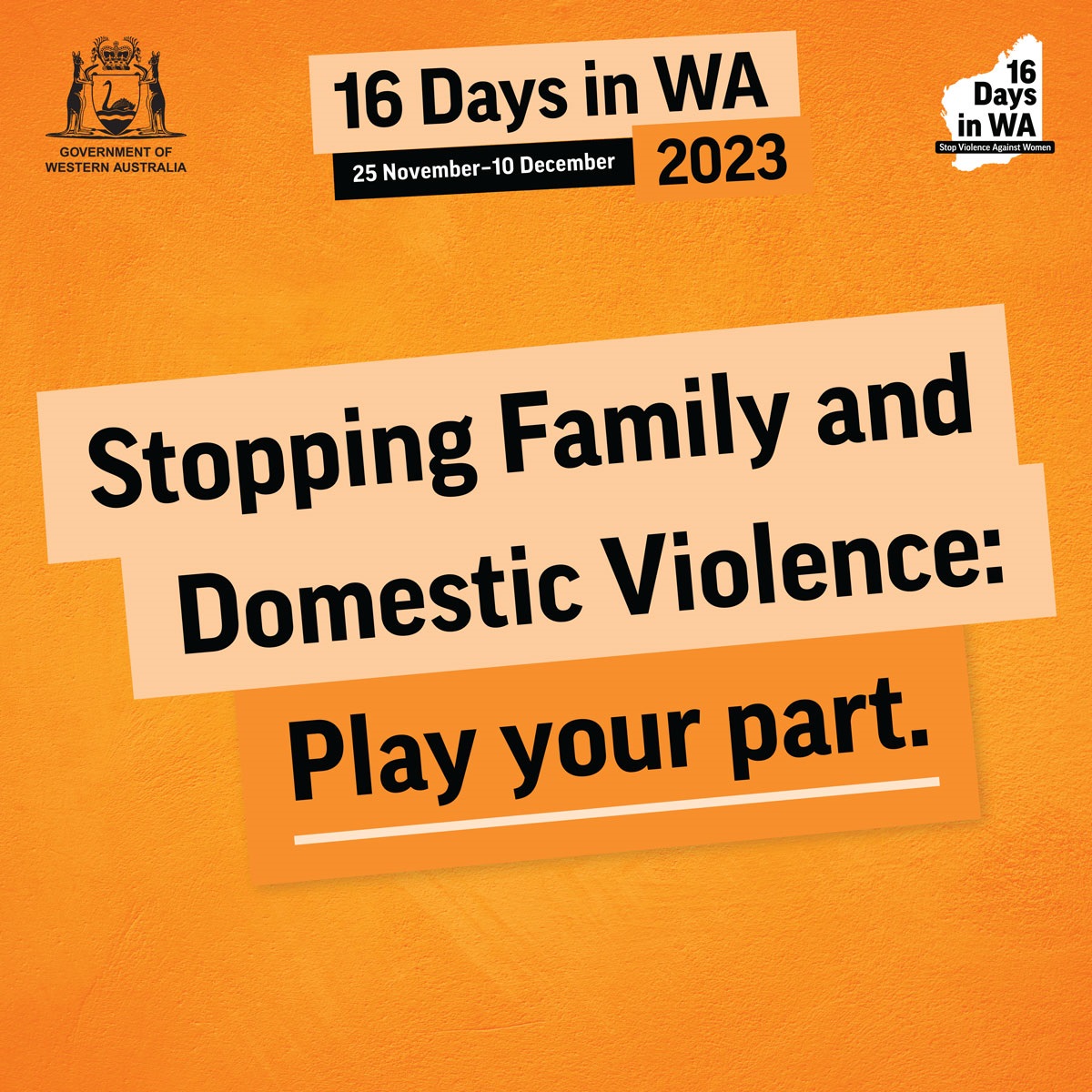
Imagined Futures is deeply committed to responding to the rising levels of Family and Domestic Violence (FDV) across our region. We know this issue can’t be solved in isolation, effective change requires coordination, strategic leadership, and a community‑driven approach. And that’s exactly what we’re building together.
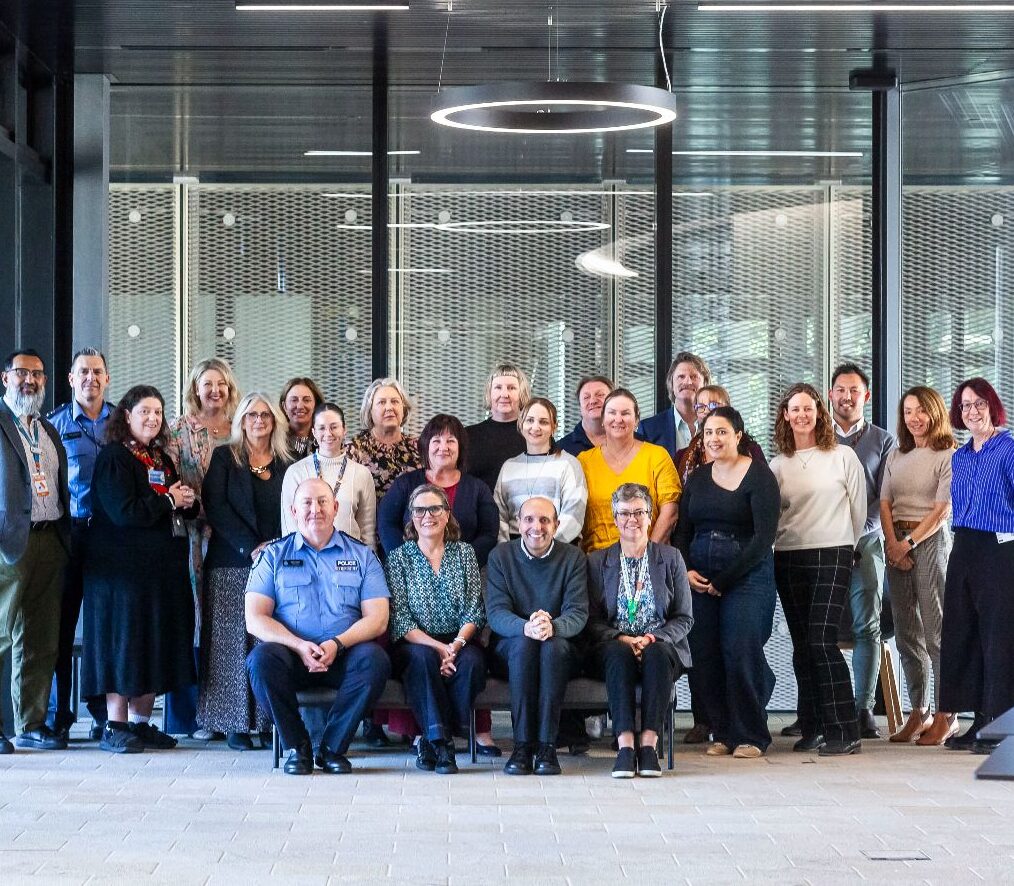
By uniting leaders from WA Police, local refuges, state and local government, and not‑for‑profit services, we’re strengthening integration across the sector, making better use of existing resources, and advocating for the investment our communities urgently need.
This collective effort spans the full continuum, from primary prevention and early intervention to crisis response and specialist support.
Strengthening Frontline Capability
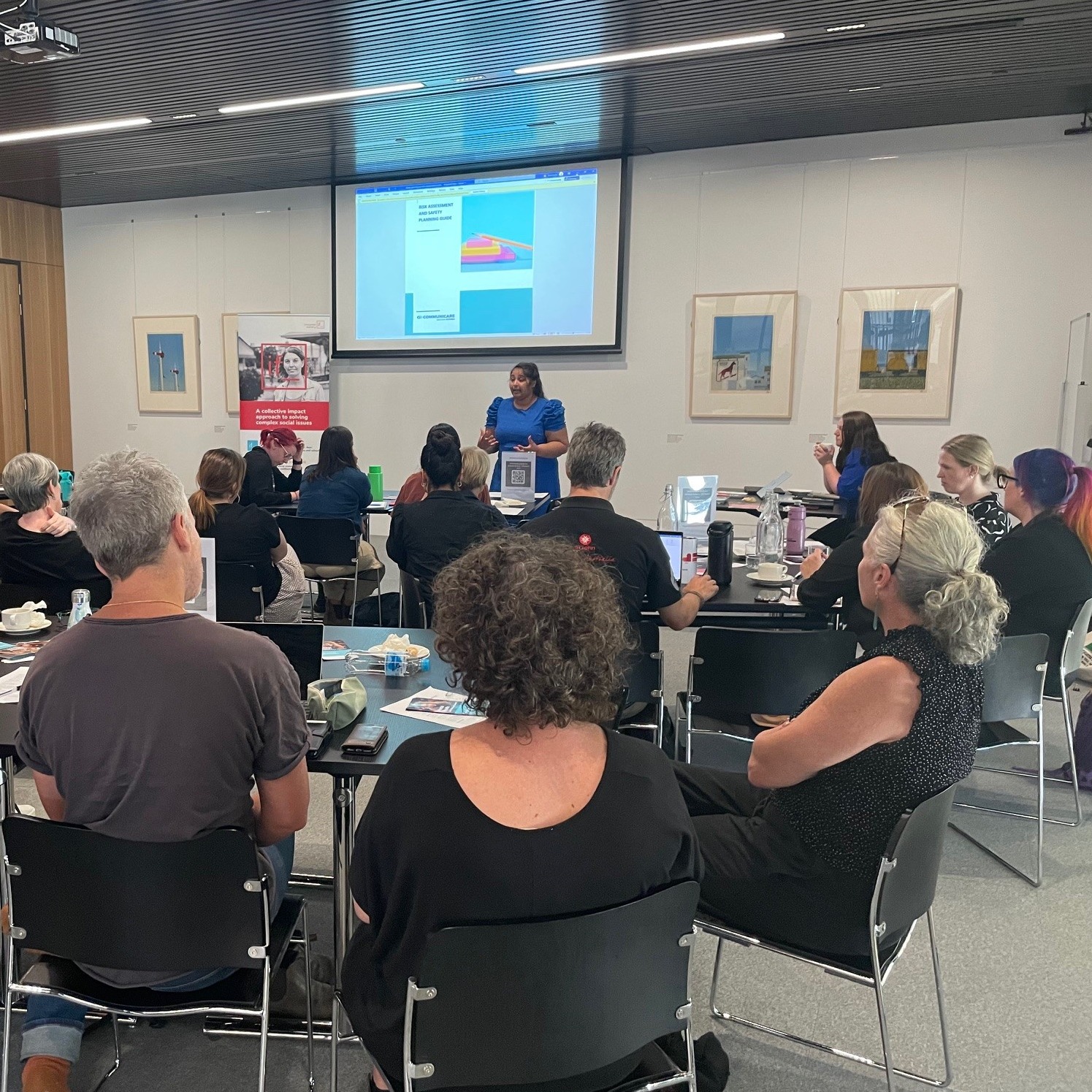
Alongside this systems leadership, strengthening the frontline workforce remains essential. Supporting the workforce remains a key priority. Last week, Imagined Futures facilitated a free professional development session for frontline workers: Understanding Family and Domestic Violence. Delivered by Communicare and the Patricia Giles Centre for Non‑Violence, and supported by the City of Fremantle, the training explored:
- Violence‑supportive attitudes and beliefs
- How cultural norms influence behaviour
- Practical ways frontline workers can recognise and respond to FDV
This session is part of our ongoing commitment to equipping the workforce with the knowledge, confidence, and tools needed to support people experiencing violence, and to help prevent it in the first place.
Shaping Davis Park’s Future Together
The Davis Park Working Group’s action plan has now been endorsed and is well underway. The group’s strong grounding in relational practice and collective impact is already influencing early conversations about the area’s future redevelopment. This ensures that community perspectives aren’t an afterthought, they’re at the centre of decision‑making.
On the ground, Imagined Futures’ Community Facilitator continues to nurture connection and inclusion through Fridays in Davis Park, a welcoming space for residents and community members to come together. Recent visitors and activities include:
- Threads Together
- Mental Health Support and Financial Counselling (City of Cockburn)
- The Footpath Library
- The newly established Davis Park Book Club
These regular touchpoints are strengthening trust, connection, and community leadership – laying the groundwork for a redevelopment process that truly reflects the aspirations of local people.
Supporting our Frontline Workforce
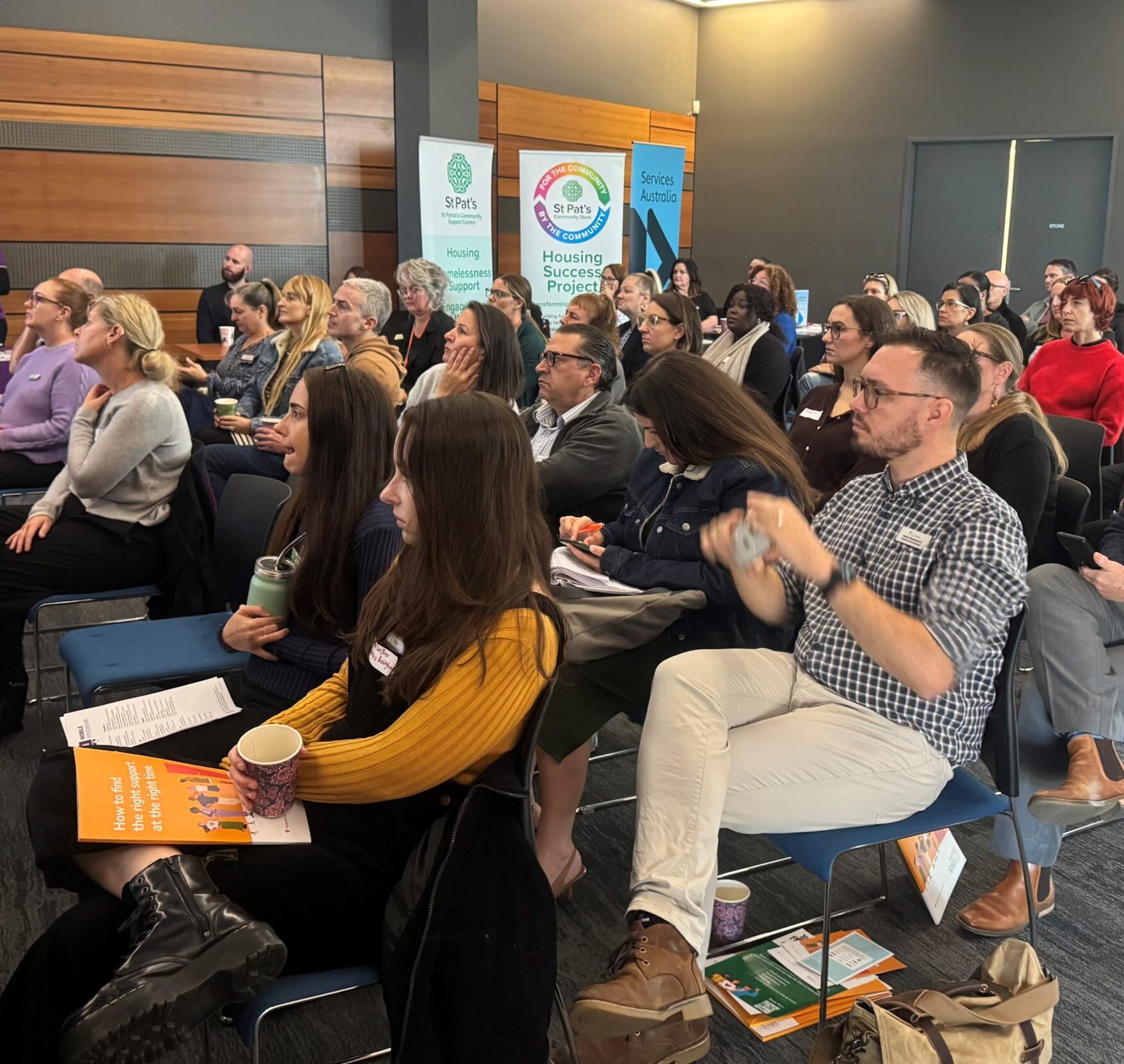
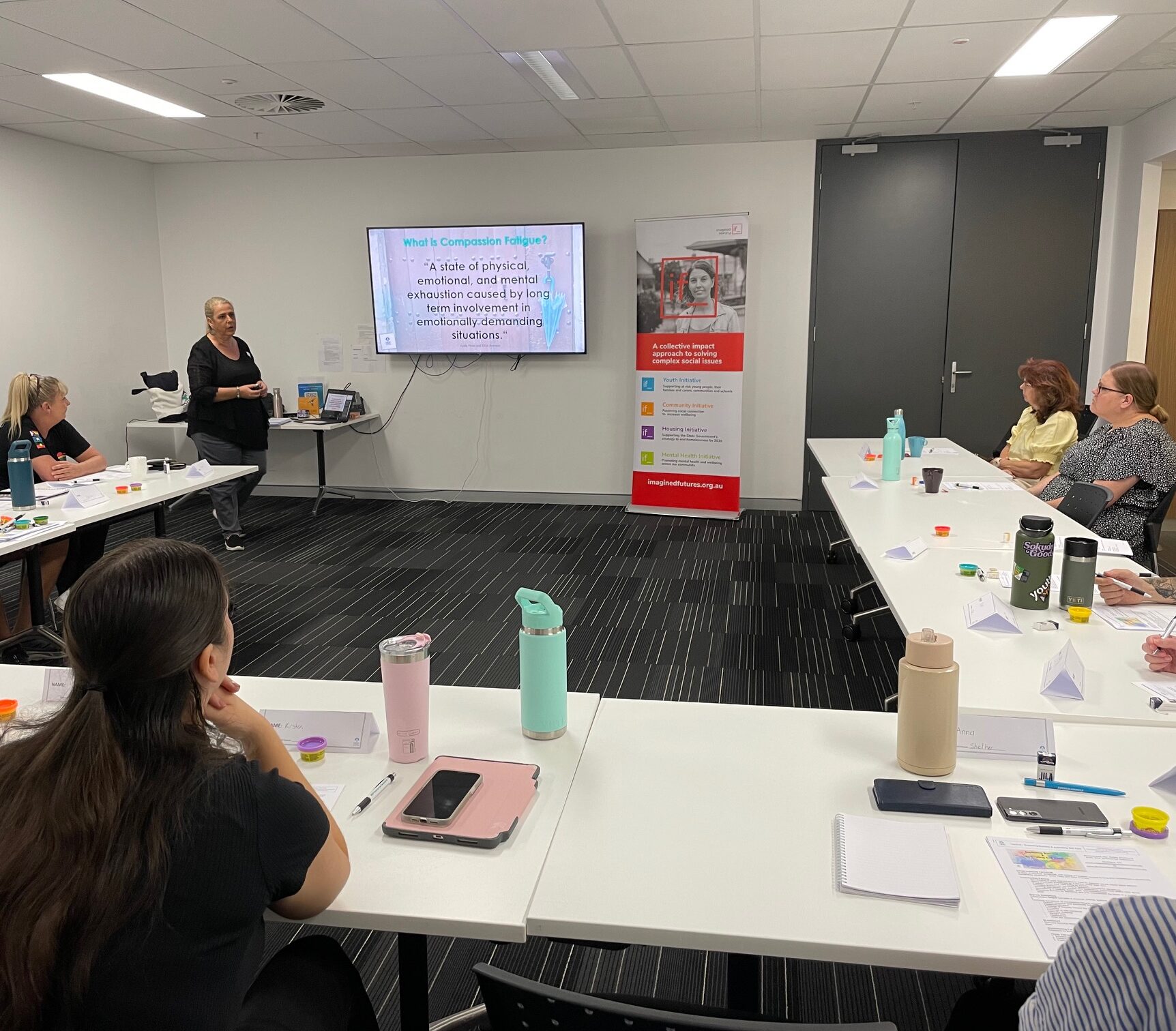
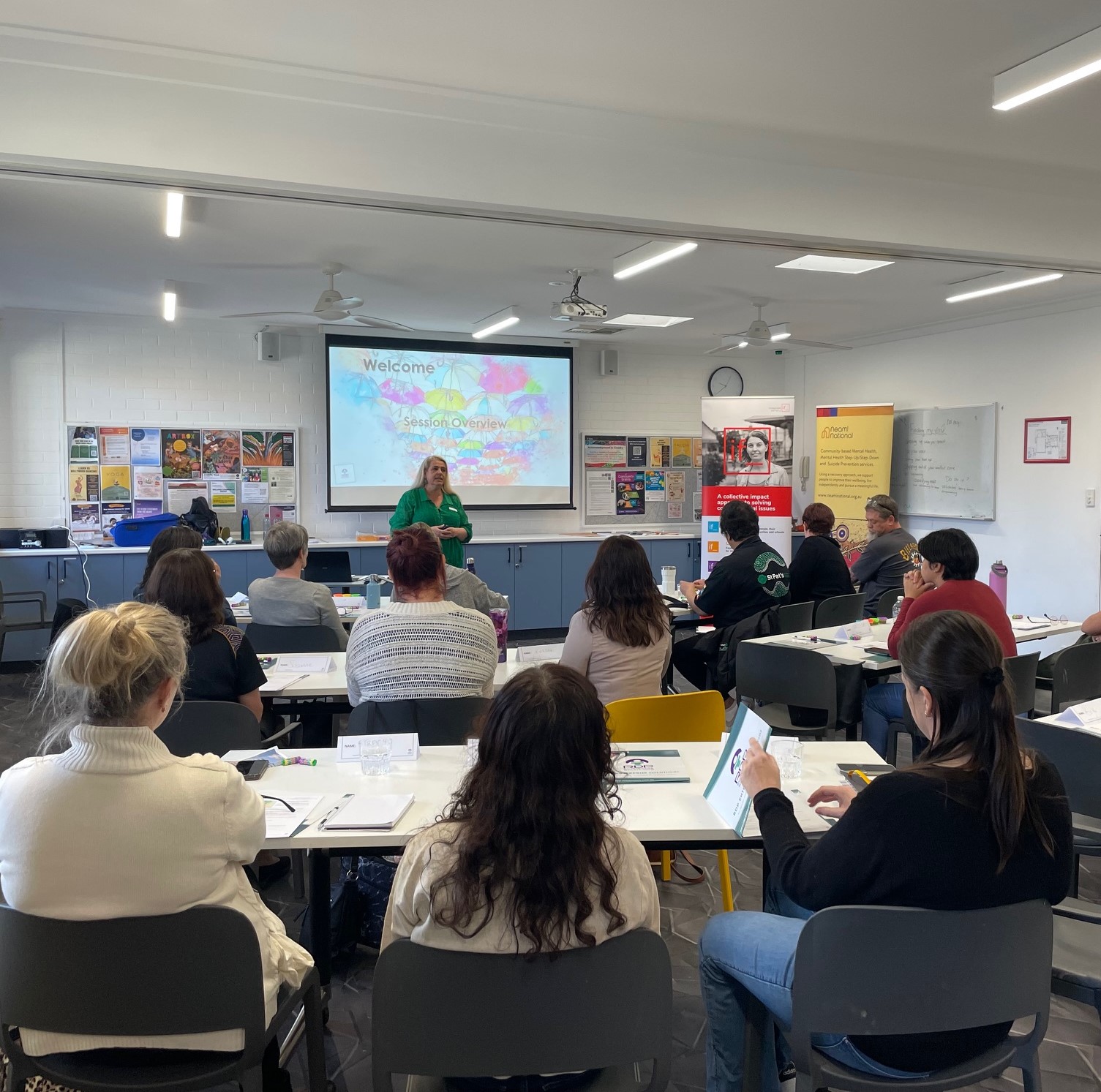
Through the Where Is the Door? initiative and our Community of Practice, Community Connectors from across the region have continued delivering high‑demand, practical professional development to strengthen frontline capability.
And we’re not slowing down. Upcoming professional development for 2026 includes:
- Dive Deep into Cost of Living Solutions – date to be confirmed
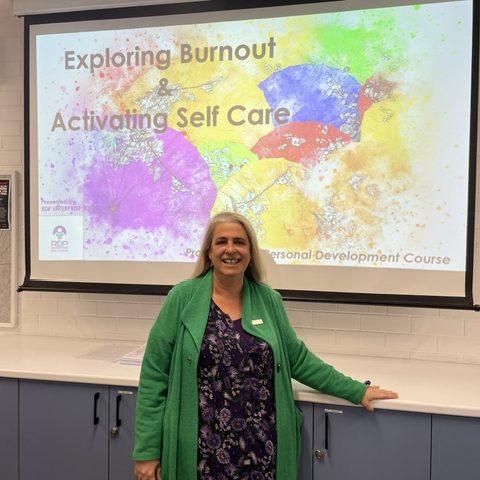
- Burnout & Boundaries Training – May 2026
These sessions strengthen knowledge, confidence, and connection across the workforce, ensuring frontline teams feel supported, informed, and ready to respond to community needs.
Strengthening our Shared Impact
Imagined Futures made significant progress in how we collaborate and how we demonstrate the impact of our collective work. With the rollout of the Outcomes Measurement Framework, our partnership health is clearer, stronger, and more visible – providing a shared foundation for learning, reflection, and continuous improvement.
Our new 5‑Year Strategy, supported by a companion action plan and resource suite, is helping partners and funders clearly see:
- our value proposition
- our collective capacity
- our alignment with local government priorities
Together, these tools make our purpose and impact more transparent and strengthen the foundations of the Imagined Futures collaboration.
Explore the Imagined Futures Strategic Plan here