This article was published in the Fremantle Herald on the 2nd April 2026.
LEIGH SINCLAIR is the executive director of Imagined Futures. Founded in 2014, Imagined Futures is a collective impact partnership auspiced by St Pat’s Community Support Centre. The partnership brings together human service agencies, businesses, philanthropists and community members to tackle complex social issues across the south west metropolitan region.
A CROSS our local communities, more people are feeling financial strain than at any time in recent memory. Rents and household costs have risen sharply, and many families are finding that their usual budgets no longer stretch as far as they once did. Rising fuel prices also flow through to the cost of transporting goods, contributing to higher prices for everyday essentials.
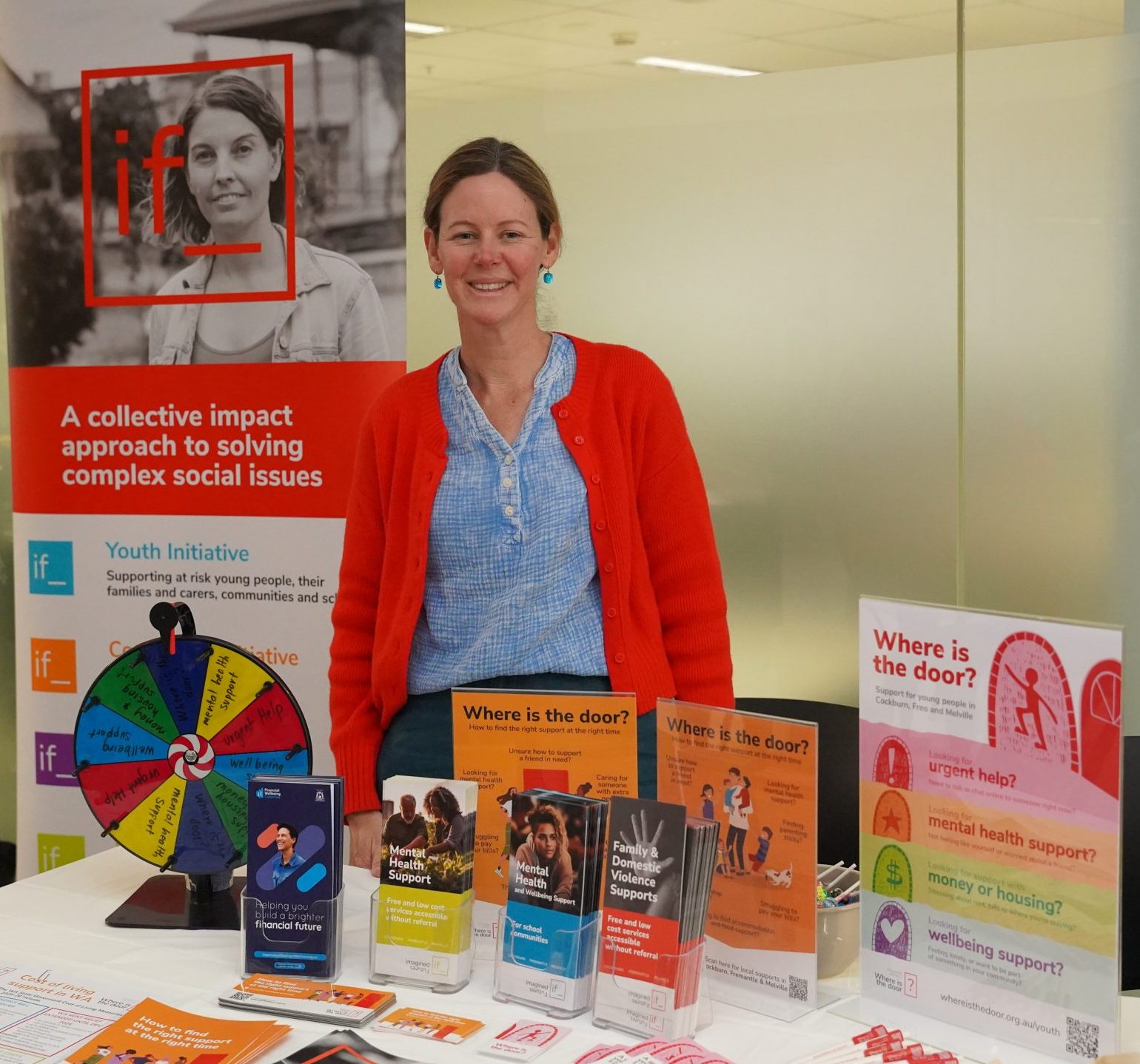
At Imagined Futures, one of the clearest messages we’re hearing through our Where is the Door? initiative – our local guide that helps people find the right support at the right time – is that many community members simply don’t know where to start when things become difficult.
Unmistakable shift
People often recognise the signs of strain long before they reach out, but navigating services can feel overwhelming, especially when stress is already high.
This is reflected across the community services sector, where the shift is unmistakable: people who have never sought help before are now reaching out for support. The pressures of day to day living are reshaping how households manage money, make decisions, and cope with stress. Food insecurity is one of the most visible signs of this additional pressure. Around one in three households is now struggling to consistently afford groceries – an issue affecting a wide range of people, not only those traditionally considered vulnerable.
Mortgage holders, renters, workers across many industries, and families with otherwise stable incomes are all feeling the impact.
Local data from the Financial Wellbeing Collective, which provides free supports including financial counselling, tenancy assistance, emergency relief and more, shows that among those seeking help:
- 25 per cent are mortgage holders;
- 38 per cent are in paid employment; and,
- 33 per cent cite cost of living as the primary reason.
These are neighbours, colleagues, parents at school drop off – people who have usually managed well but are now finding themselves under unexpected pressure.
One of the most important insights from local services is that people often wait too long before asking for help. On average, the FWC sees people about a year after they first begin to struggle. By that point, small issues may have grown into much larger ones: overdue bills, mounting debt, rental stress, or the emotional toll of trying to manage it all alone.
Reaching out early makes a real difference.
Where to start
A simple first step is visiting whereisthedoor.org.au, a local online directory connecting people to financial, mental health, accommodation and food assistance across Cockburn, Fremantle and Melville. It is designed to be easy and non judgmental – a way to quietly explore options before things spiral.
From there, people can be linked to trusted services, including the Financial Wellbeing Collective, where a short online form connects them to a free, confidential financial counsellor who can assist with:
- Advocating with banks, utility providers and landlords;
- Navigating rental arrears, credit issues or buy now pay later debt;
- Budgeting and bill support; or,
- Referrals to other practical services.
Additional local supports include:
- Energy Ahead – helps reduce household energy use and manage rising power bills.
- Emergency Relief – provides food and essentials when money has run out.
- Tenancy Support – assists people who are behind on rent or at risk of eviction, supporting them to stay safely housed.
Each of these services exists so that no one has to navigate financial stress alone.
A community effort
While broader policy work continues at many levels, what matters right now is ensuring individuals and families feel able to reach out when things start to feel difficult. Many people hesitate because they feel ashamed, or because they believe others are worse off. But support is there for exactly these moments.
If you or someone you know could use a helping hand, taking the first step early can prevent problems from escalating. Start with Where is the Door? – a simple guide to finding the right support, right when you need it.